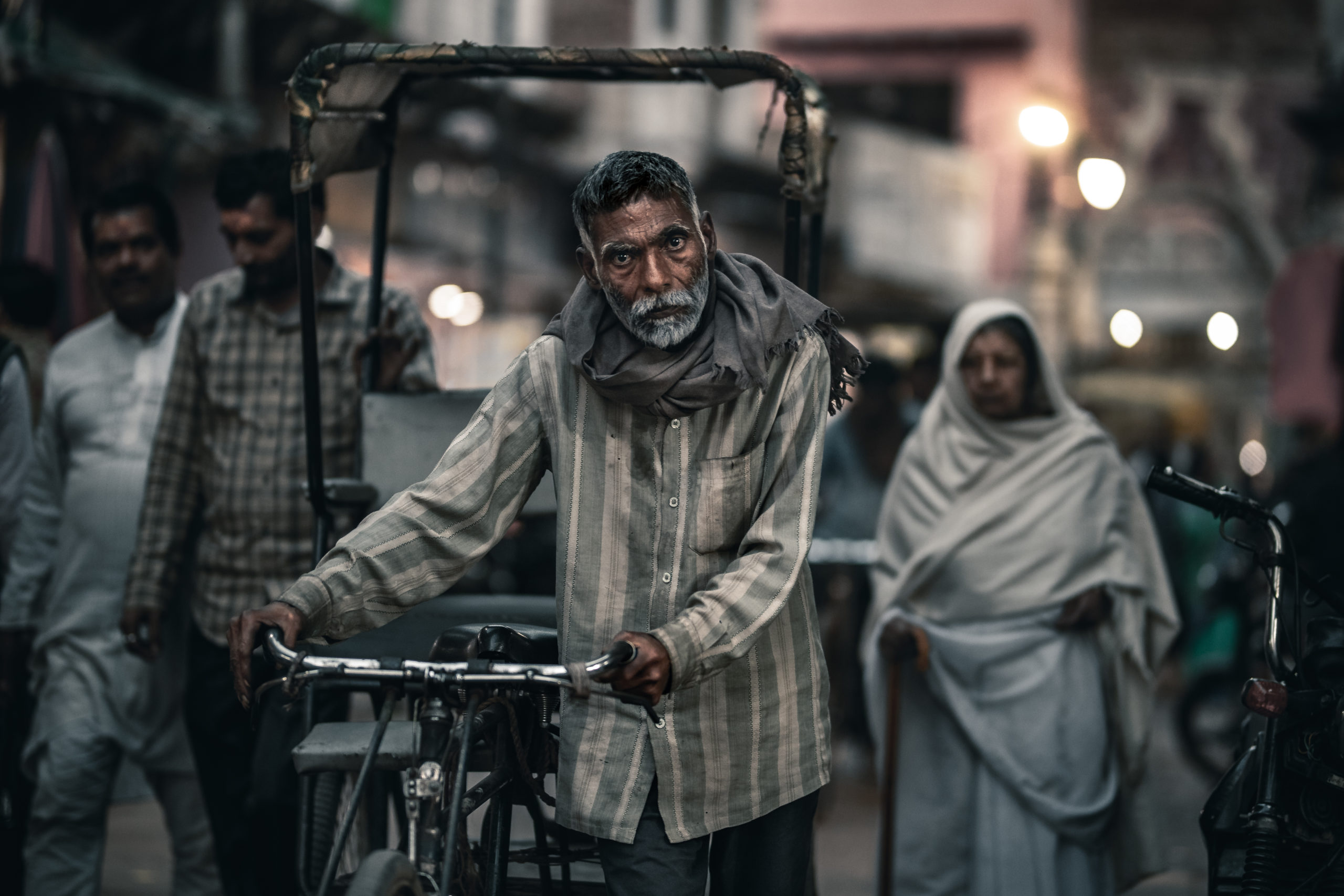
10 Tips for Taking Stunning Photos on Your Smartphone
Capturing stunning photos with your smartphone is easier than you think! Here are 10 tips that can help elevate your photography game:
- Use Natural Light: Whenever possible, take advantage of natural light for your shots. It enhances colors and details. Consider shooting during golden hour for softer, warmer tones.
- Focus on Composition: The rule of thirds can be a game changer. Use the grid feature on your smartphone camera to align your subject along the intersecting lines for a balanced shot.
- Experiment with Angles: Don’t be afraid to change your perspective. Try shooting from high above or down low to add interest and depth to your images.
- Utilize Editing Apps: Post-processing can enhance your photos significantly. Popular mobile editing apps like Adobe Lightroom or Snapseed allow you to fine-tune your images.
Remember to practice regularly and experiment with different styles. Here are a few more tips to keep in mind:
- Steady Your Shot: A steady hand is crucial for clear images. Consider investing in a small tripod or use a stable surface when needed.
- Know Your Smartphone’s Features: Familiarize yourself with your smartphone's camera settings, such as HDR mode or manual controls, which help in capturing better photos.
- Capture Emotions: Genuine moments create powerful images. Focus on capturing feelings rather than just the scenery.
- Share Your Work: Don’t forget to showcase your photography on platforms like Instagram or Pinterest, where many photography communities thrive.
What Happens to Your Photos After You Click, Snap, and Share?
When you click, snap, and share your photos, they embark on a journey that traverses the digital landscape. Initially, your images are stored on the device you used to capture them, whether it be a smartphone, tablet, or digital camera. The moment you upload or share them online, they are transferred to cloud storage services or social media platforms. Many of these platforms, such as Facebook and Instagram, maintain their own algorithms and servers that manage your data. This means your photos are not only saved but are also potentially analyzed and tagged to improve user engagement and advertising effectiveness.
Furthermore, after sharing, your images can be subjected to various levels of privacy settings. While you may think your photos are private, it’s important to understand how sharing works. Groups, friends, and even strangers might have access depending on your chosen settings. Once your images are in the digital realm, there is a possibility they could be captured through screenshots or shared by others without your permission. For a deeper understanding of how your digital footprints affect your privacy, check out this informative resource on photo privacy.
The Evolution of Photography: How Technology Transformed Our Snapshots
The journey of photography has been nothing short of revolutionary, marked by significant technological advancements that transformed the way we capture moments. From the invention of the camera obscura in the 16th century to the first permanent photograph created by Joseph Nicéphore Niépce in the early 19th century, each milestone laid the groundwork for future innovations. The introduction of digital cameras in the late 20th century marked a pivotal shift in the industry, offering photographers the ability to take multiple shots without the constraints of film. With the rise of smartphones, photography became even more accessible; most people now carry high-quality cameras in their pockets, allowing for spontaneous and immediate sharing of their lives through platforms such as Instagram.
The impact of technology on photography extends beyond just the mechanics of capturing images. Digital editing software, such as Adobe Photoshop and Lightroom, enables photographers to manipulate their images with precision and creativity, pushing the boundaries of visual storytelling. Moreover, advancements in artificial intelligence have introduced features like automated enhancements and even AI-generated imagery. As National Geographic explains, these developments not only change how we capture and process images but also shape our understanding of reality itself, as the line between authentic photography and digital alteration blurs. The evolution of photography continues to reflect the dynamic interplay between technology and artistic expression, demonstrating how deeply intertwined our snapshots are with the tools we use to create them.